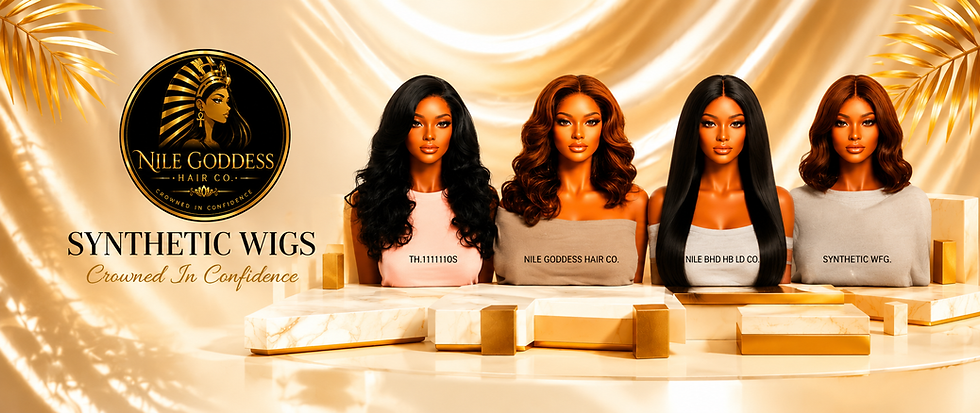
Synthetic Hair
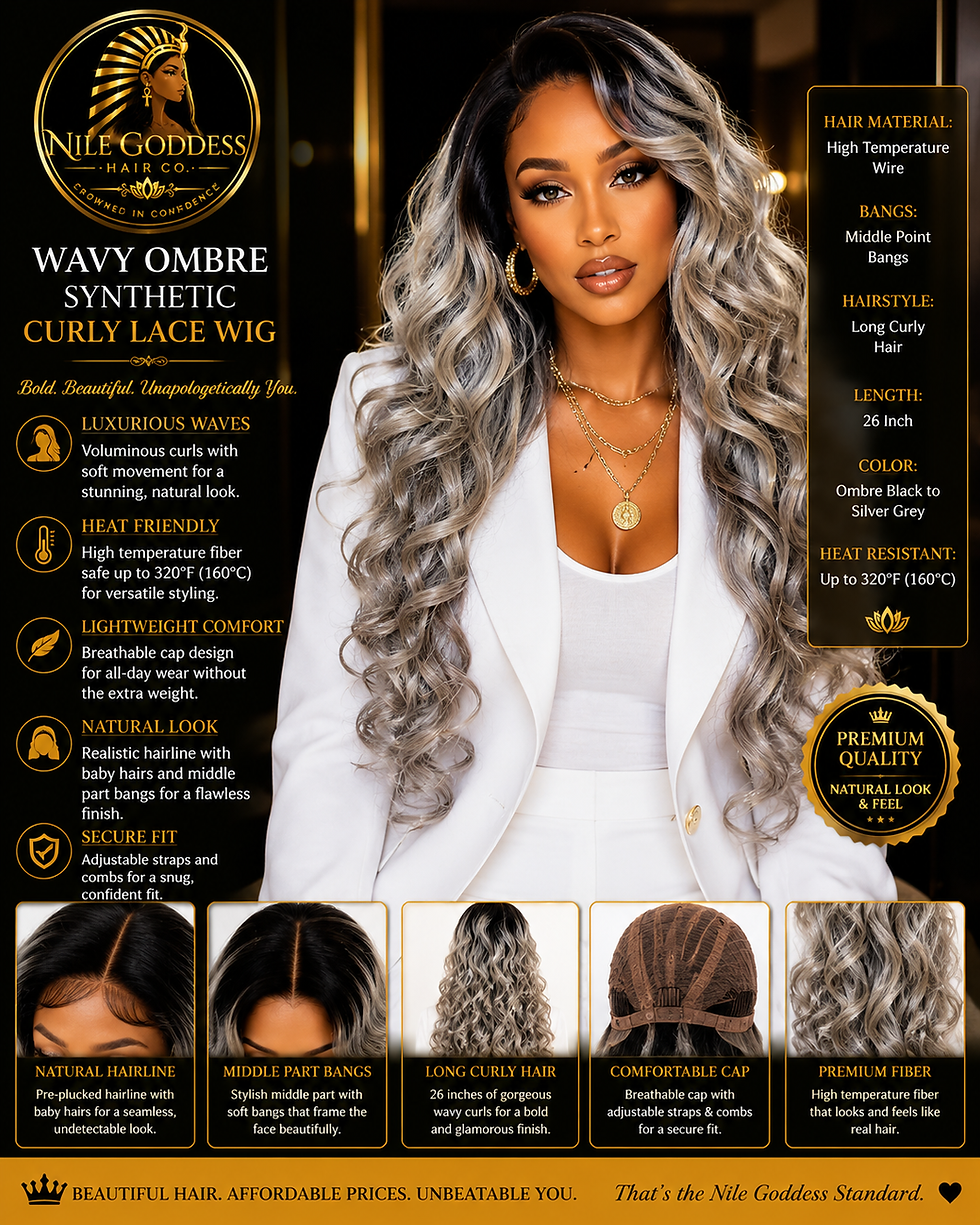
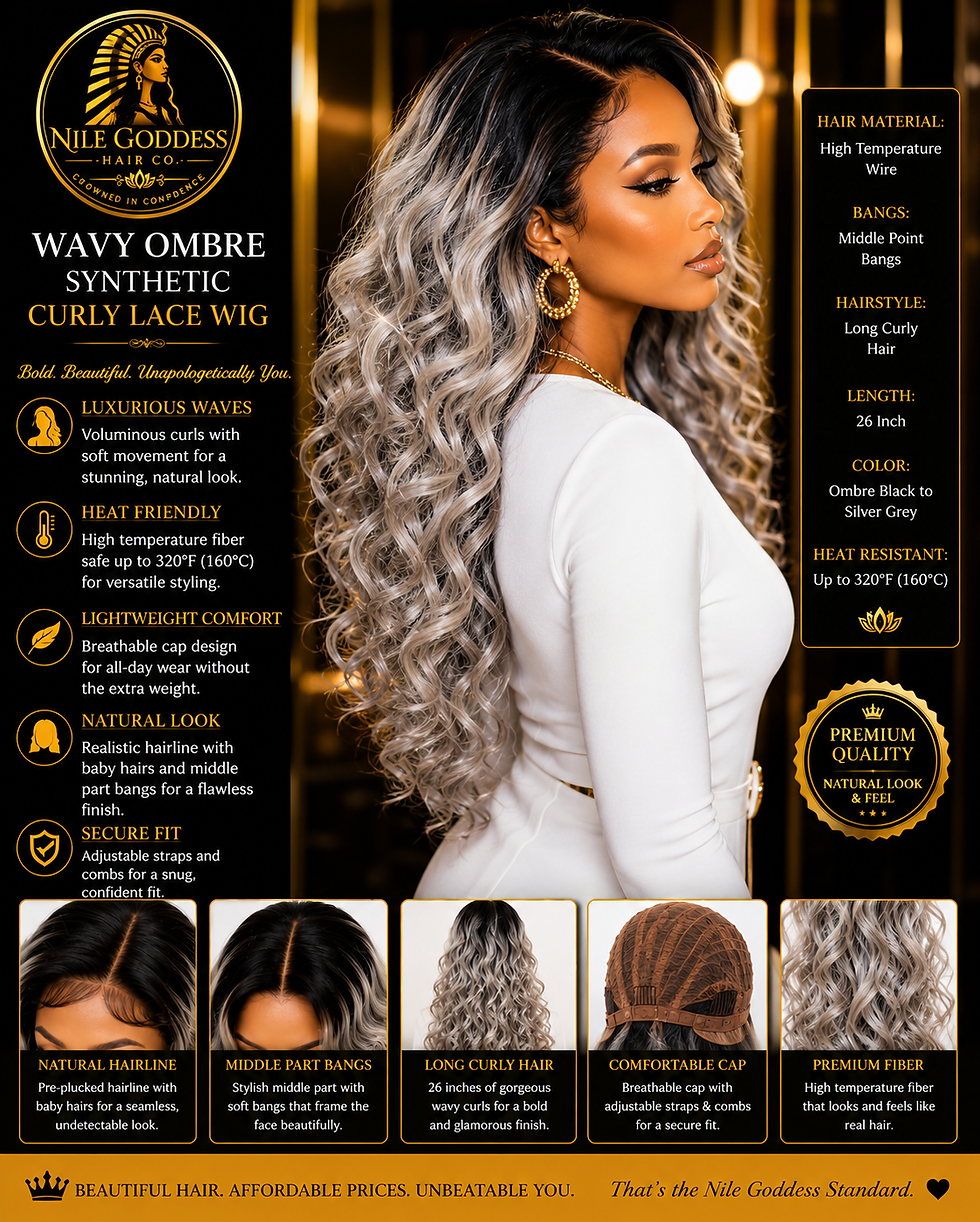
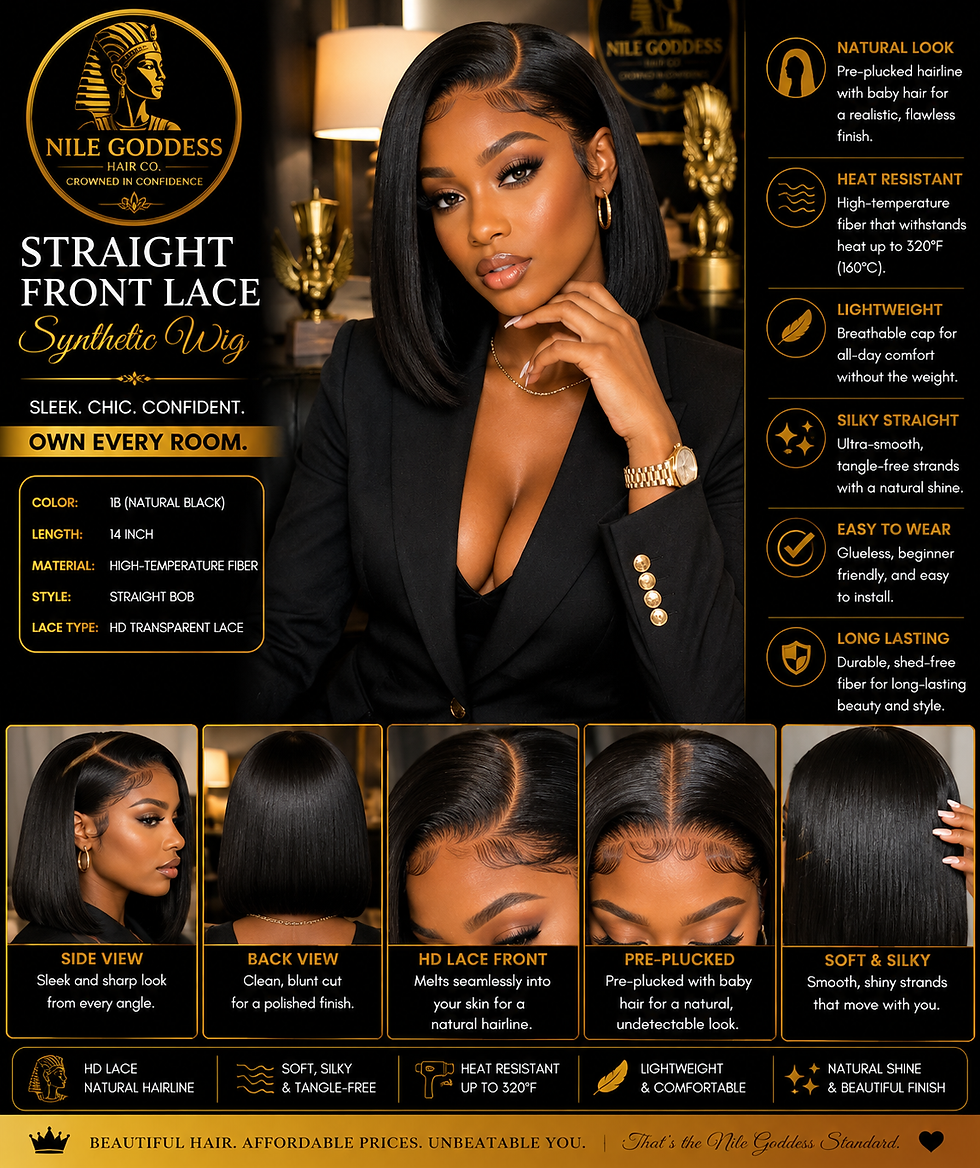
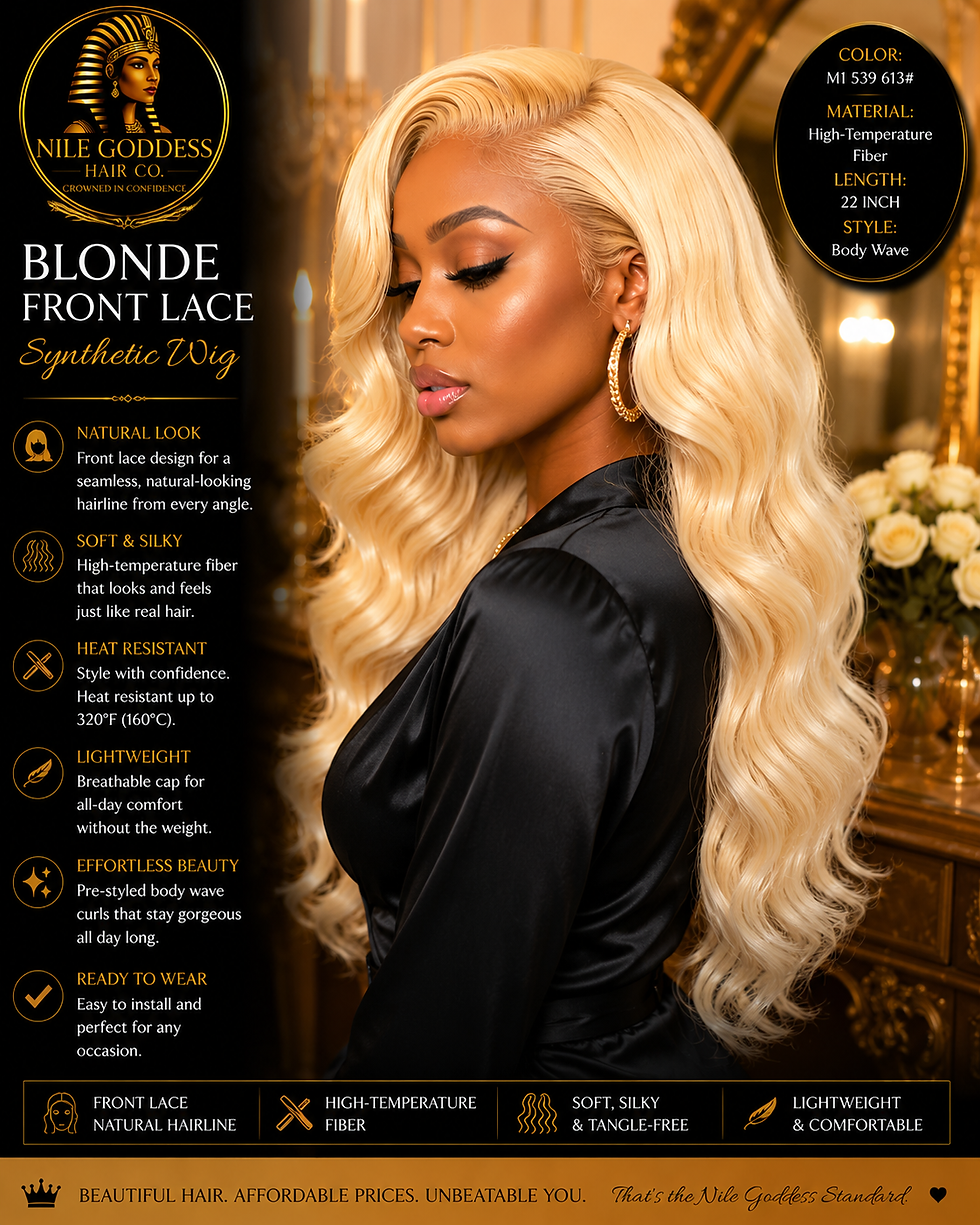
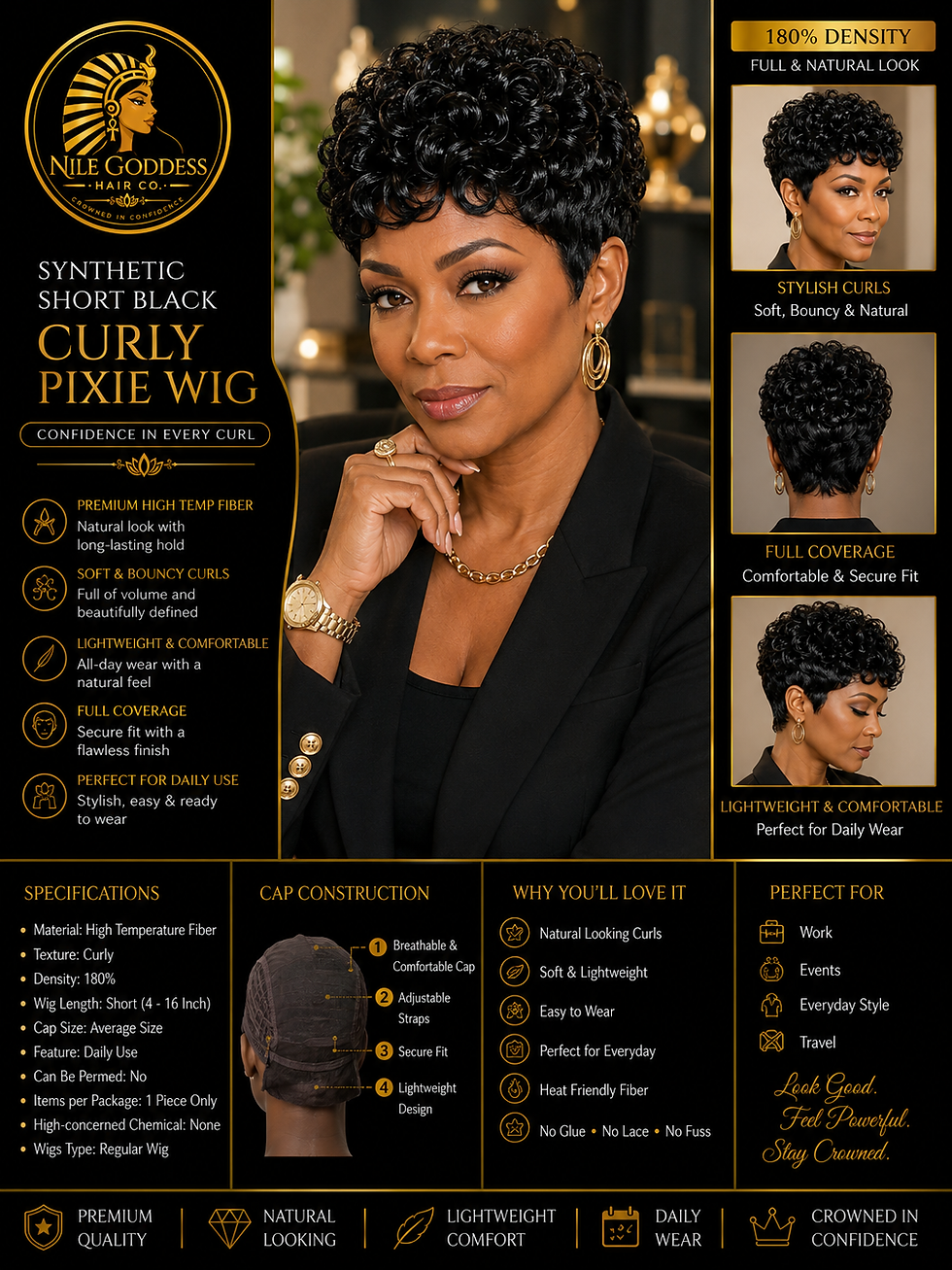
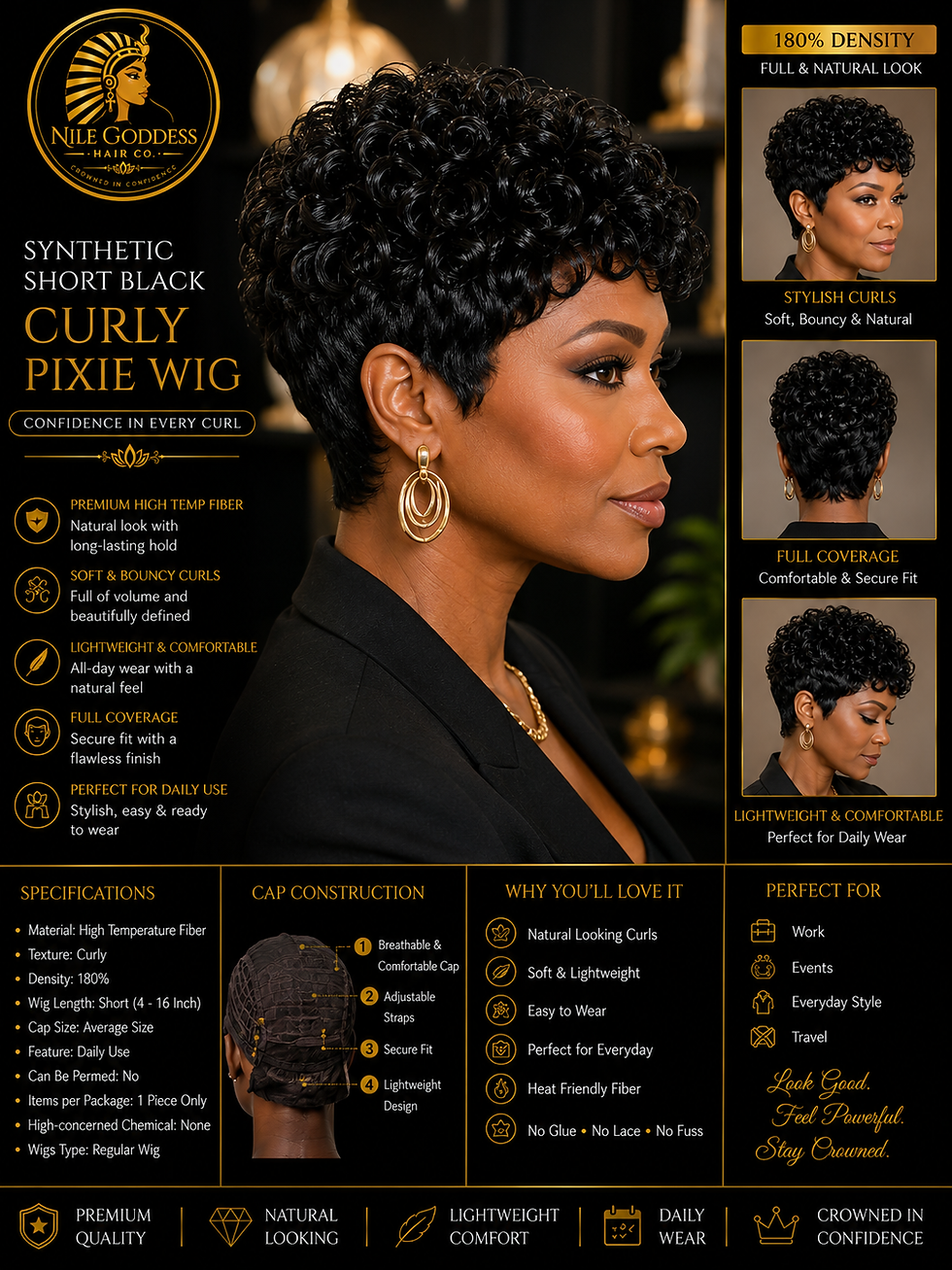
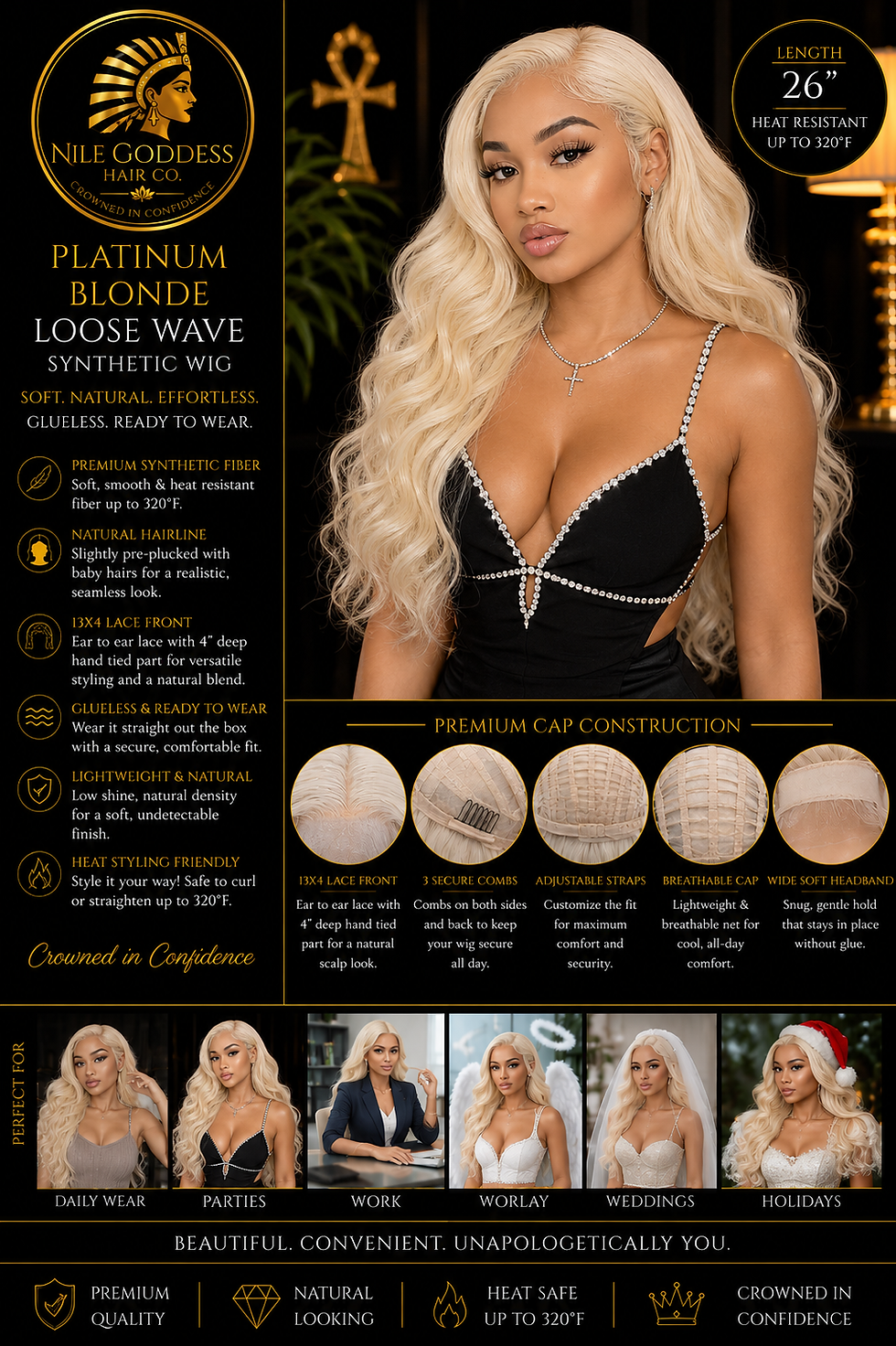
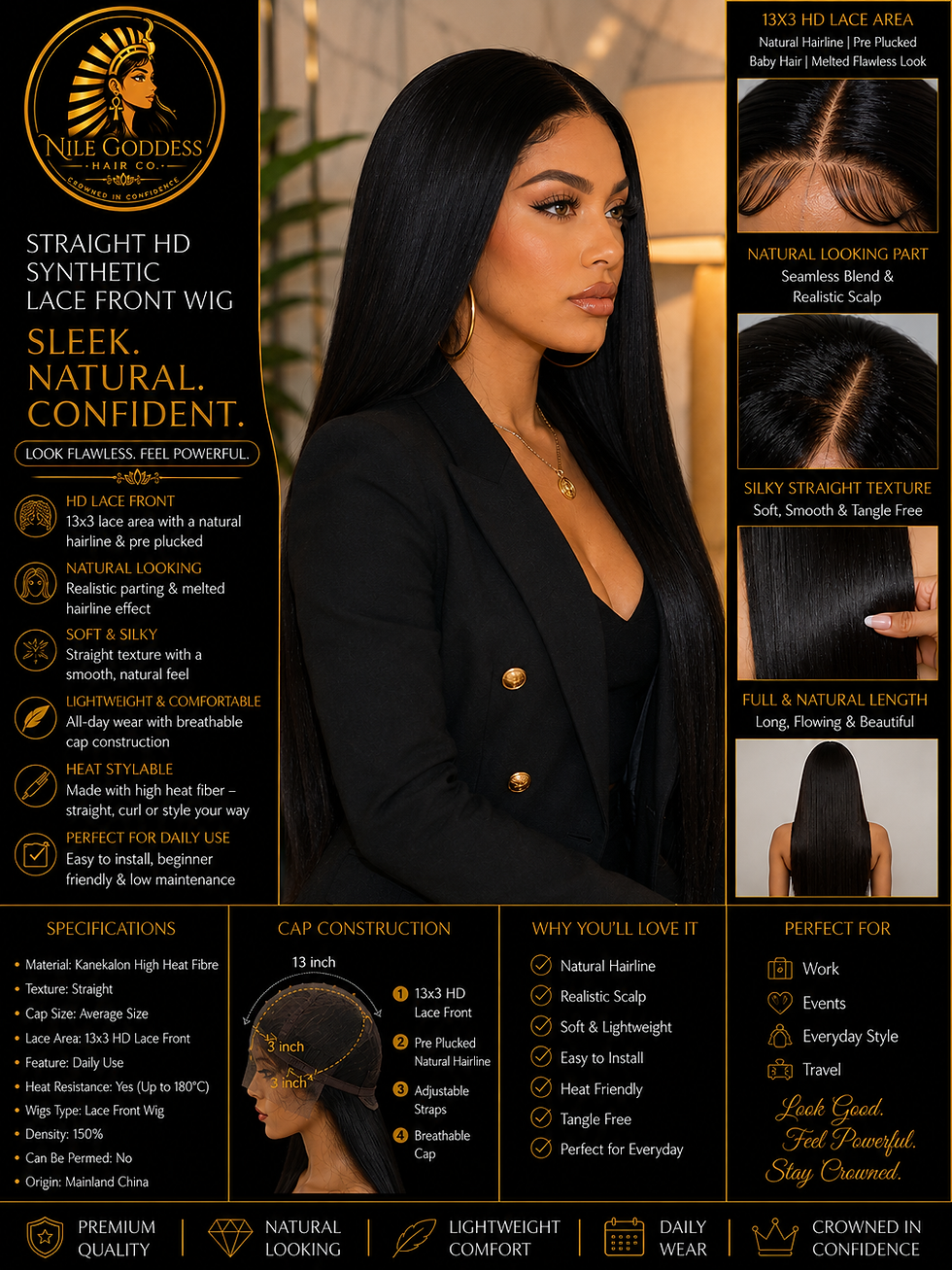
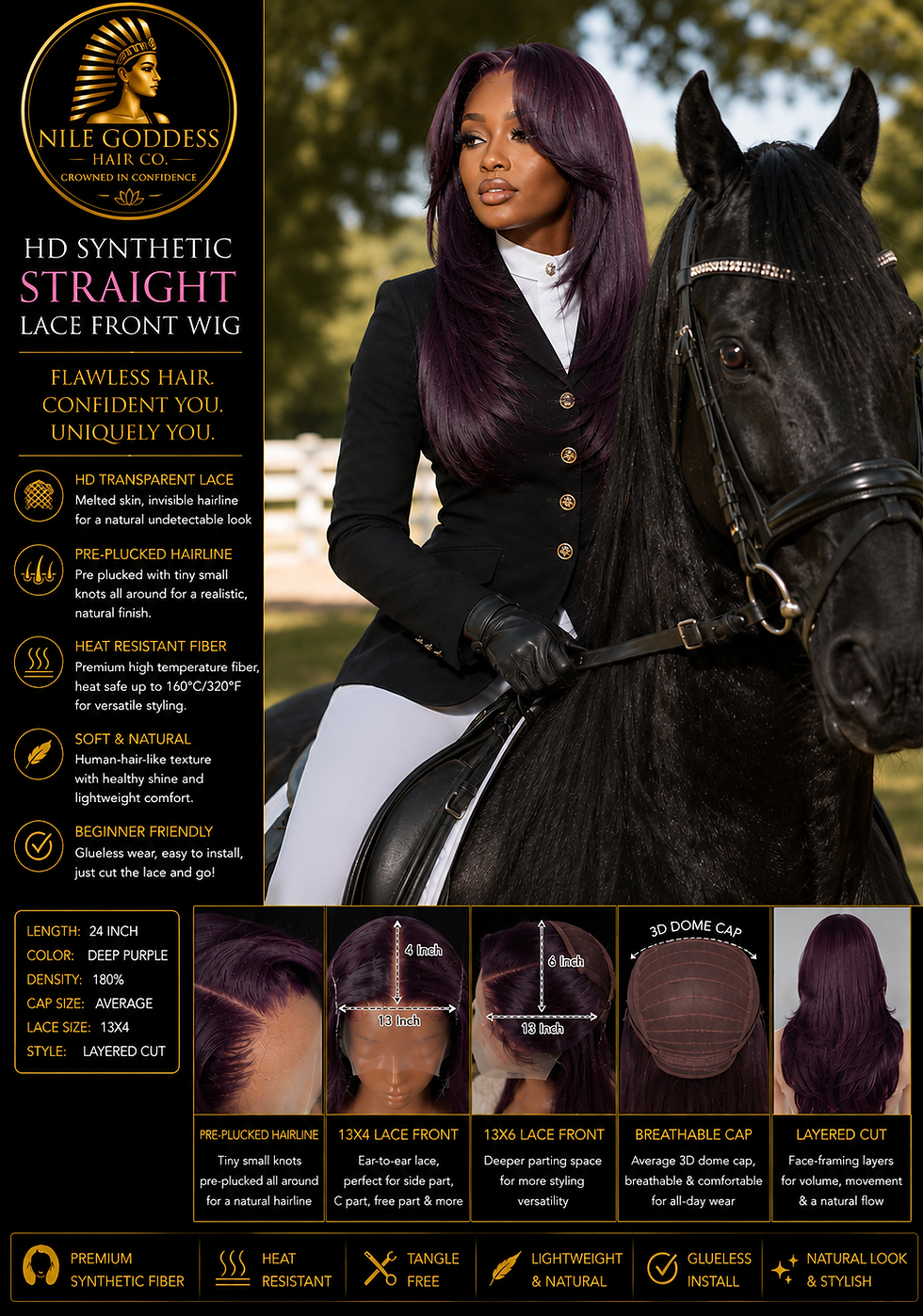
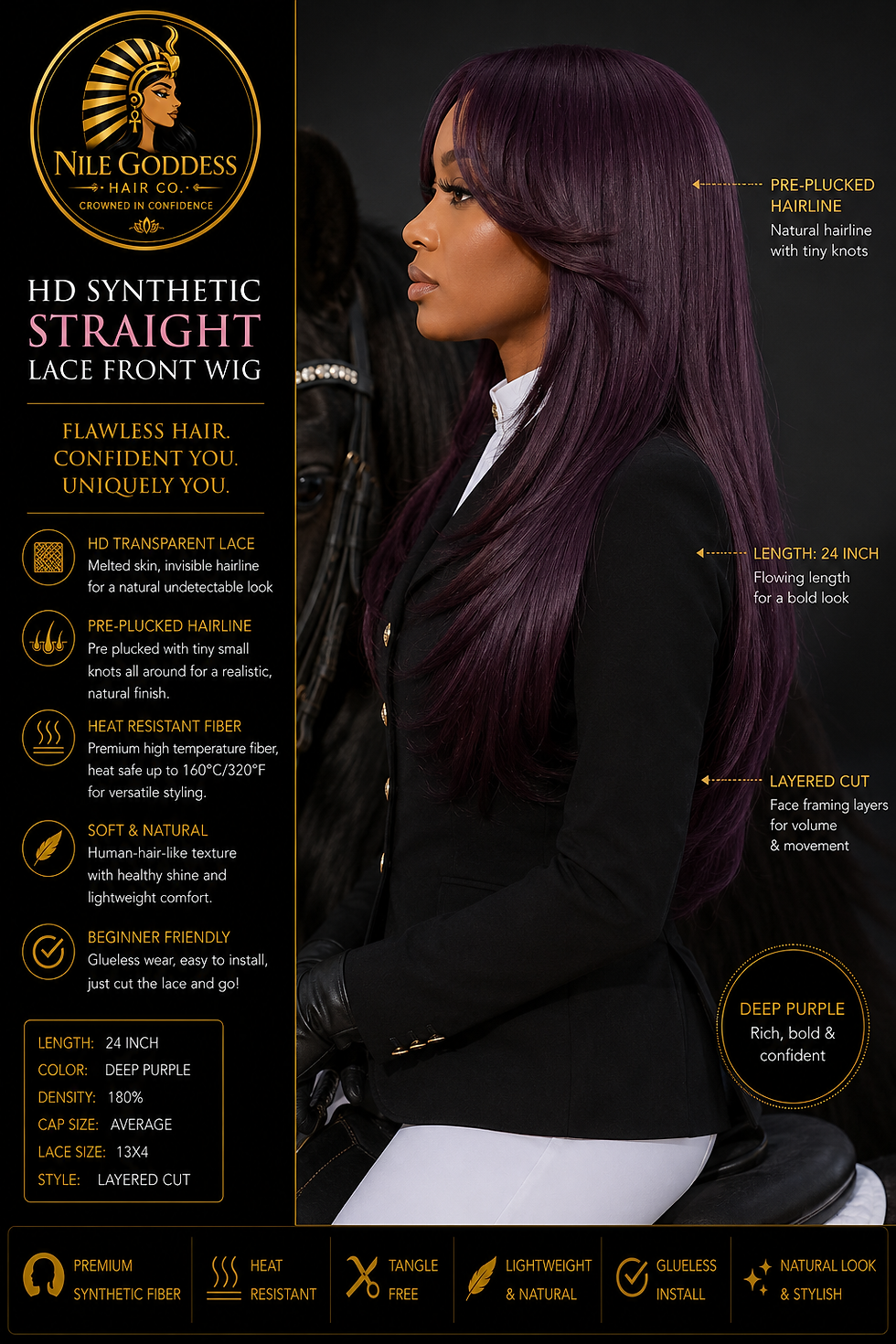
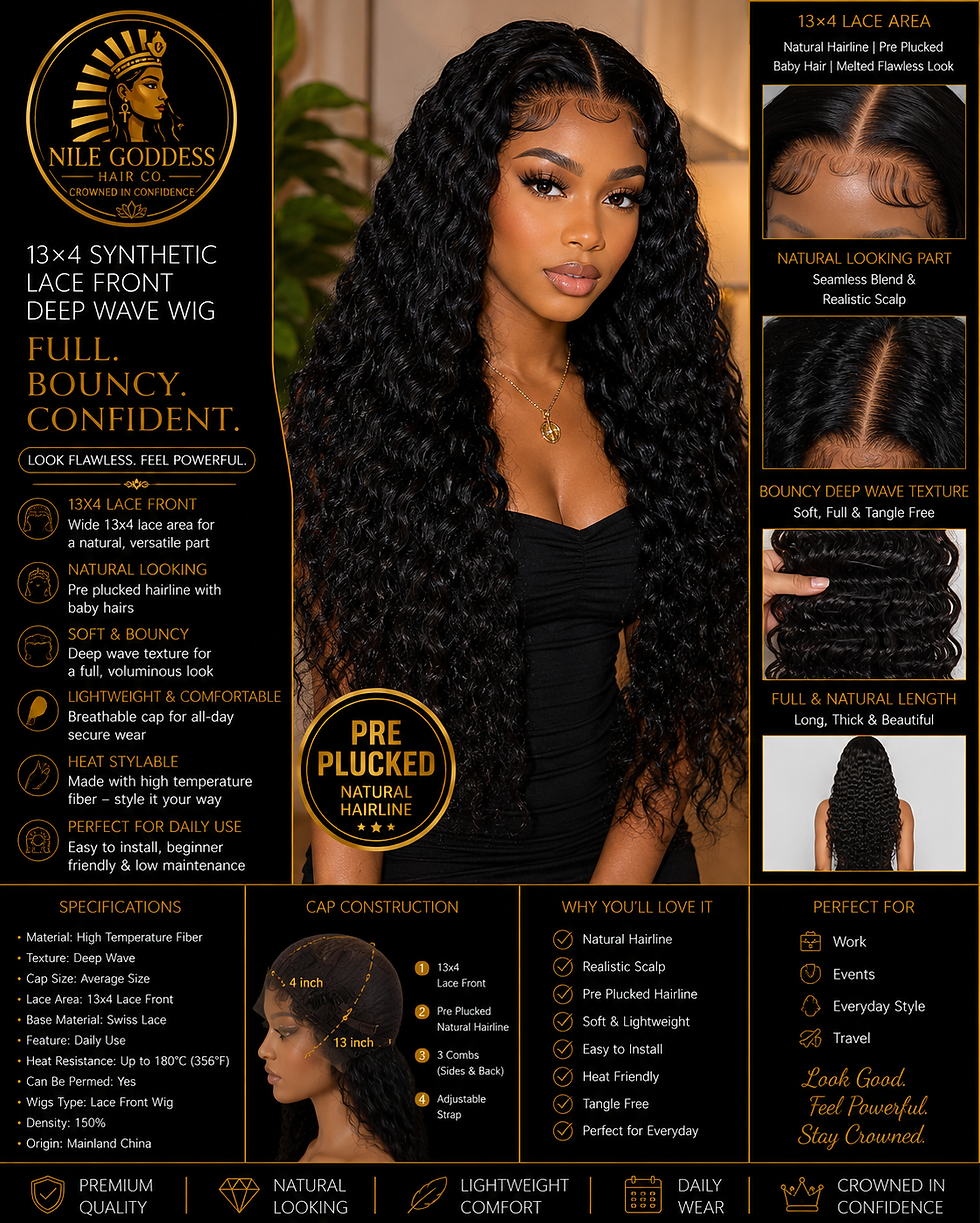
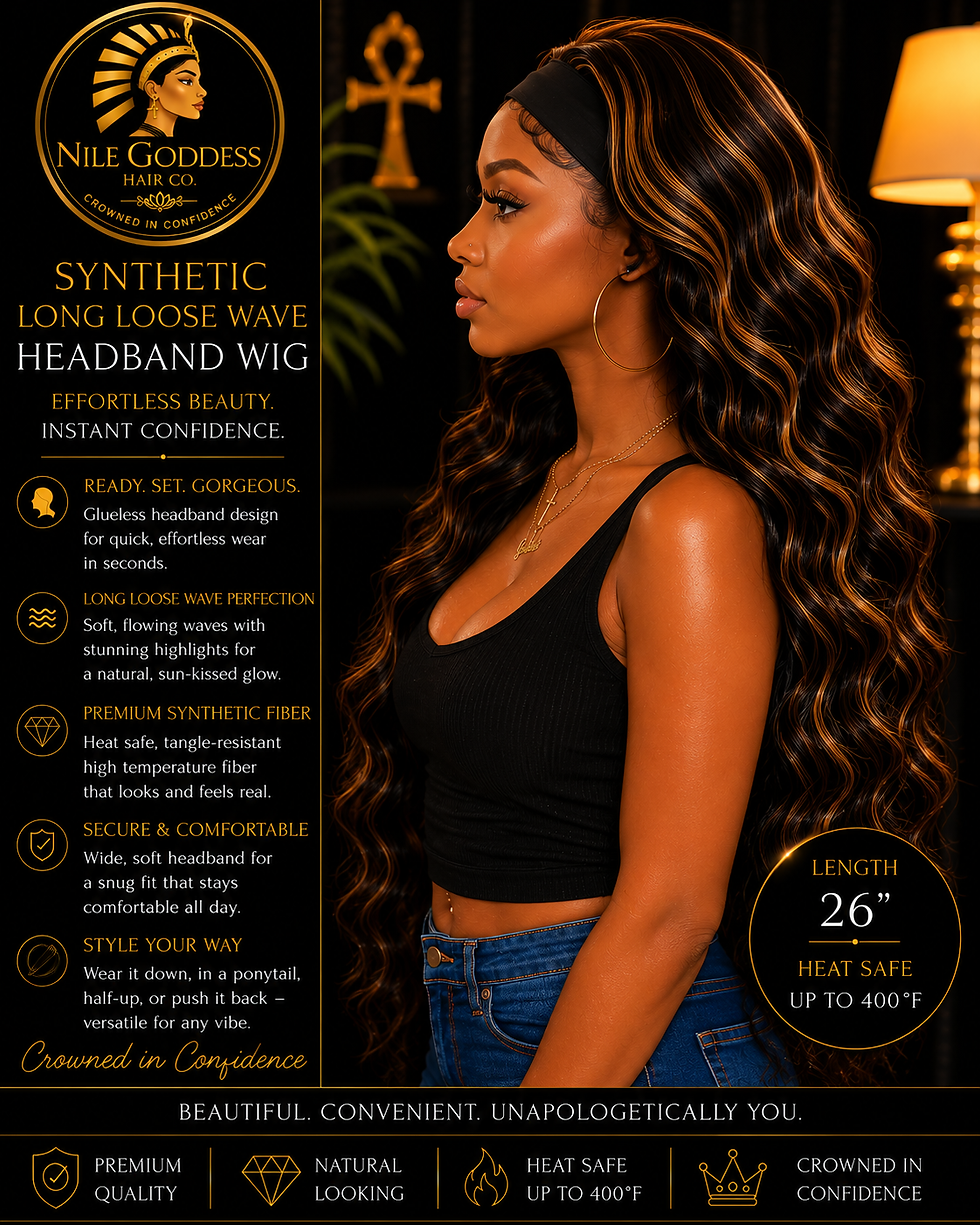
Synthetic Hair: An Overview
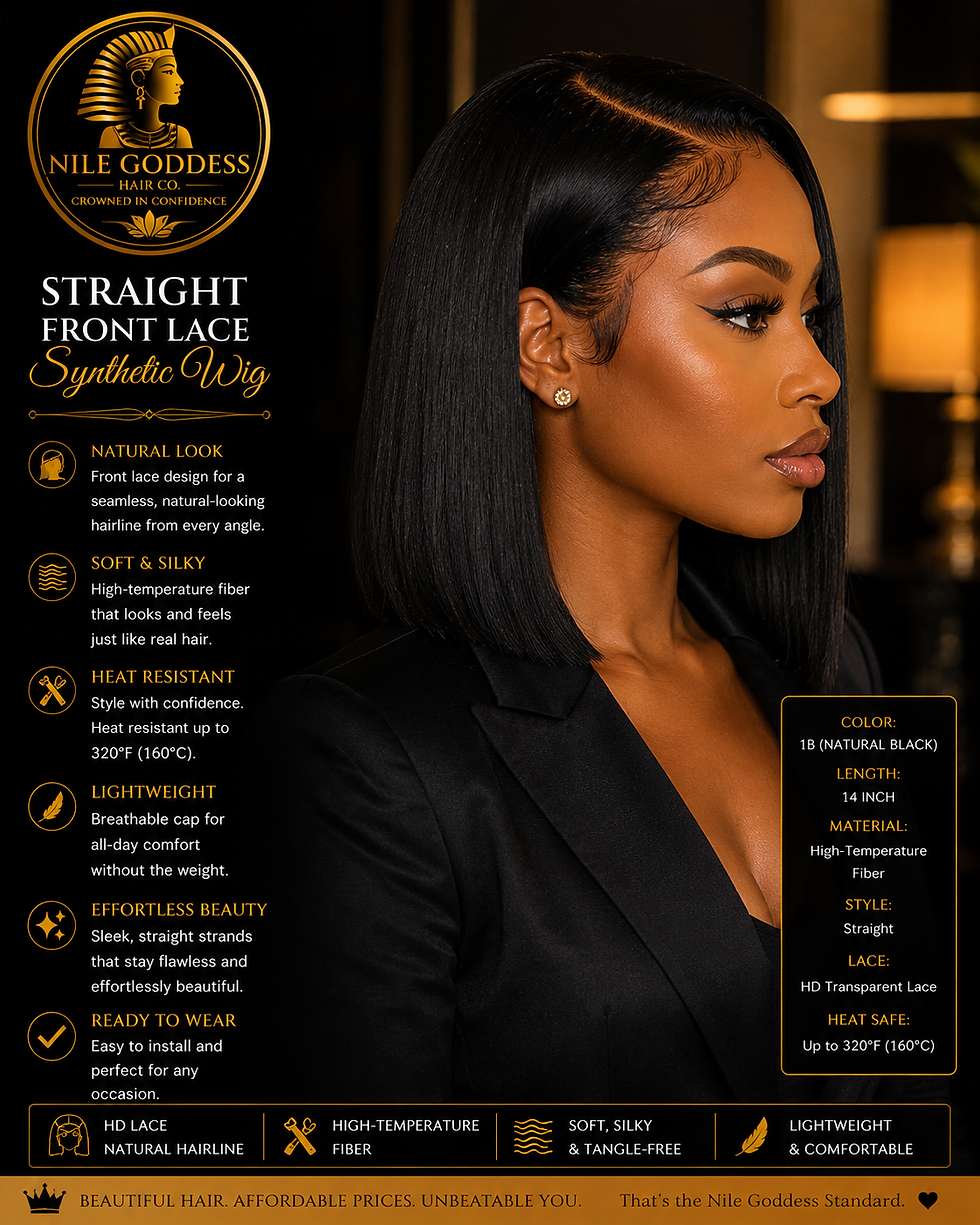
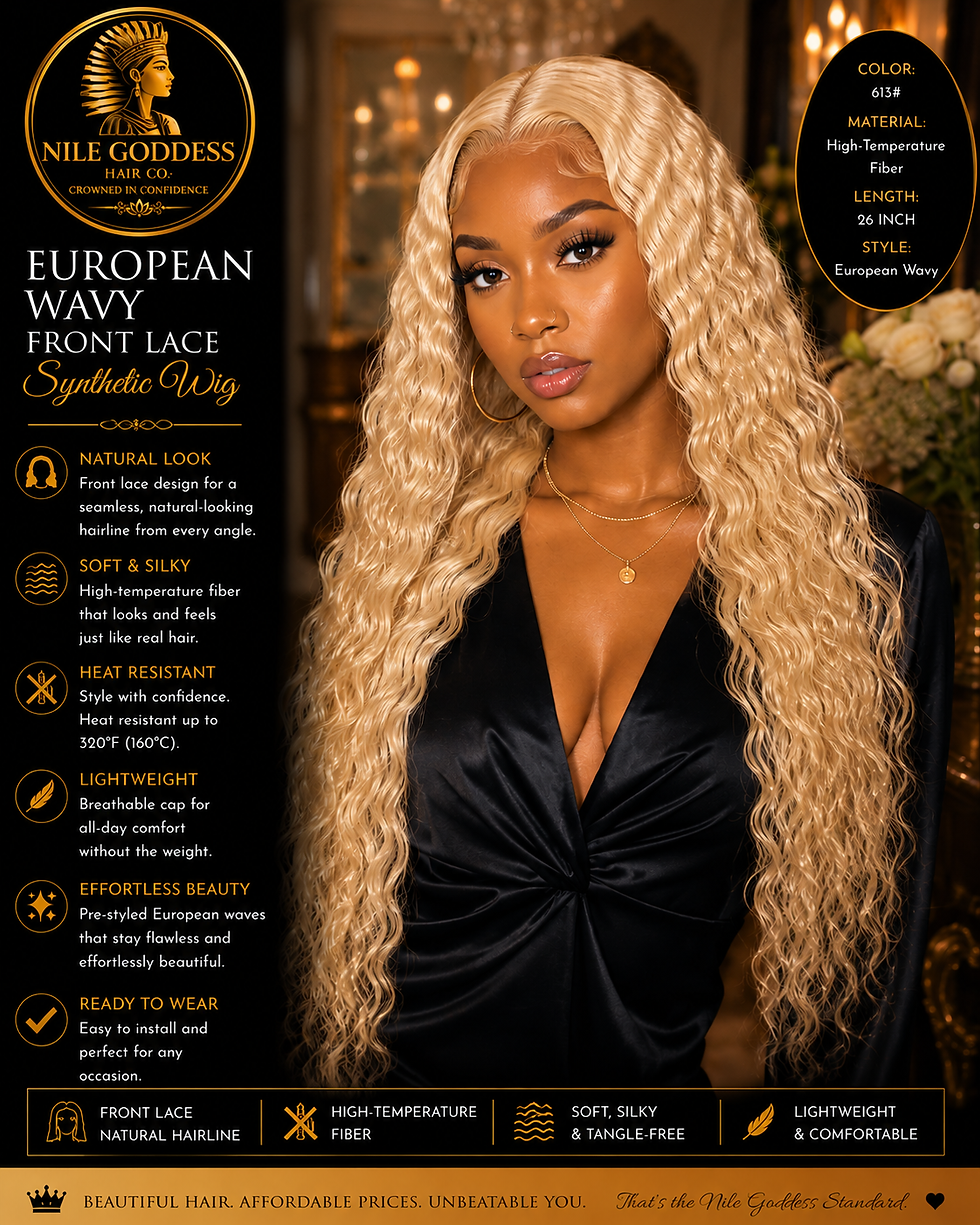
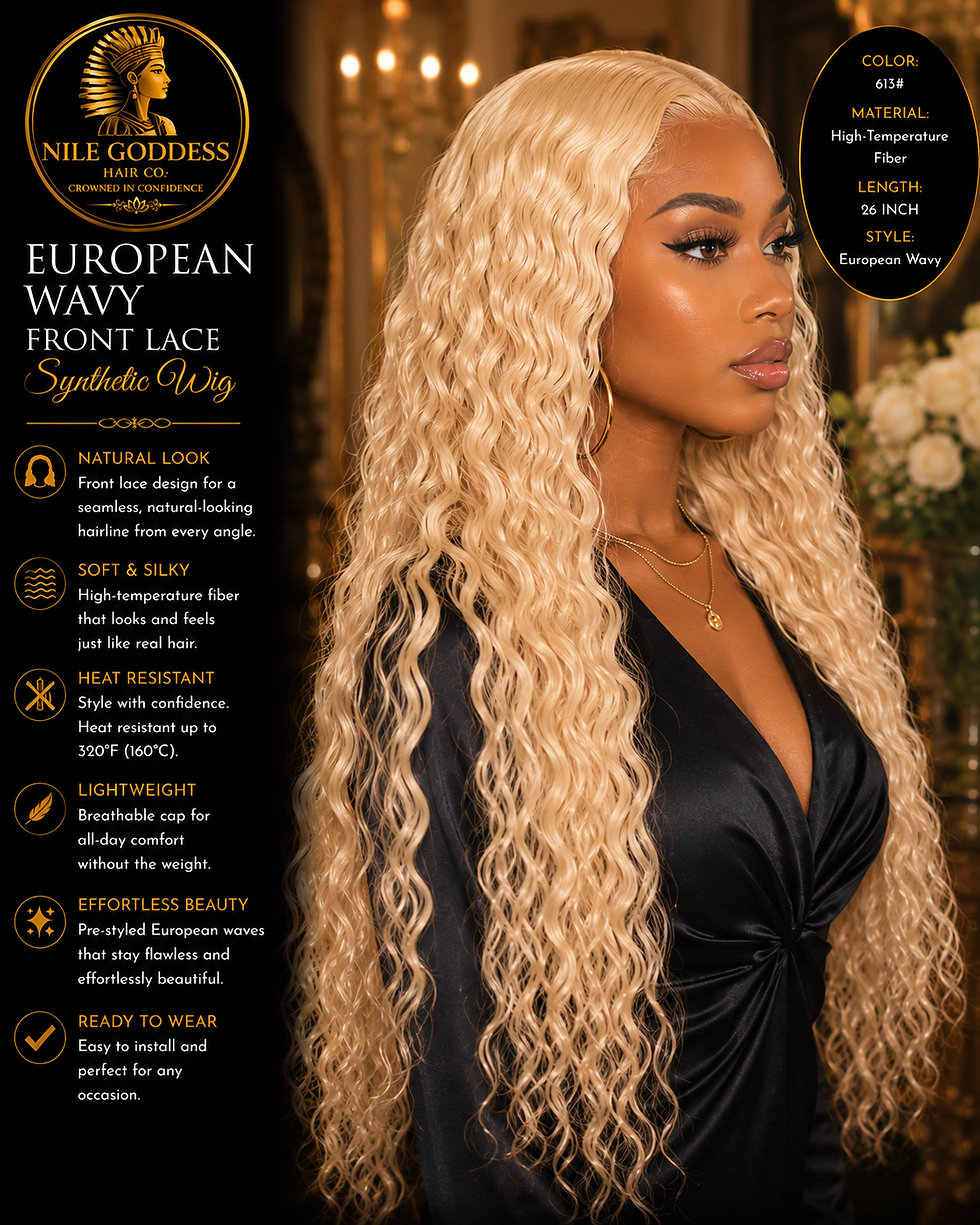
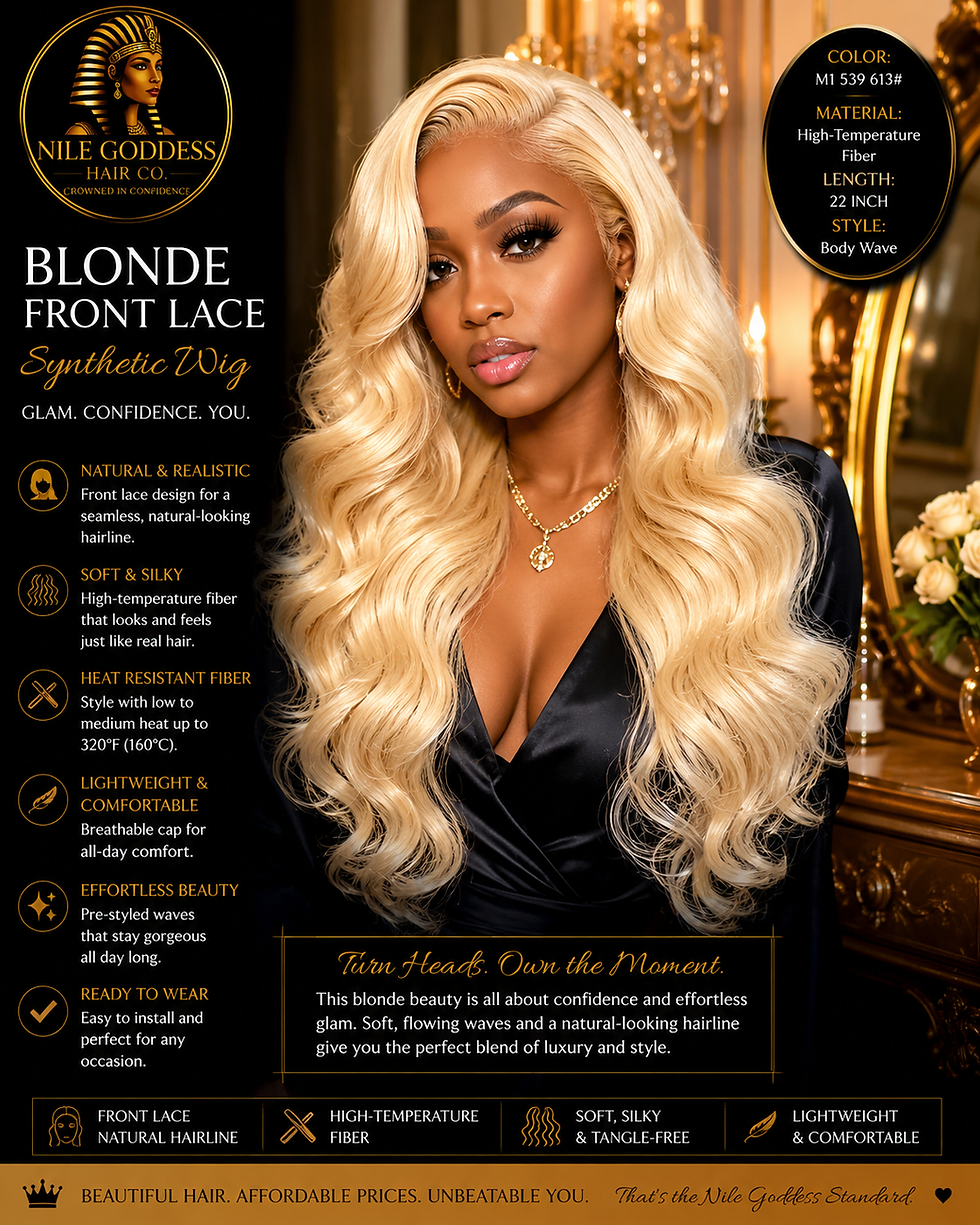
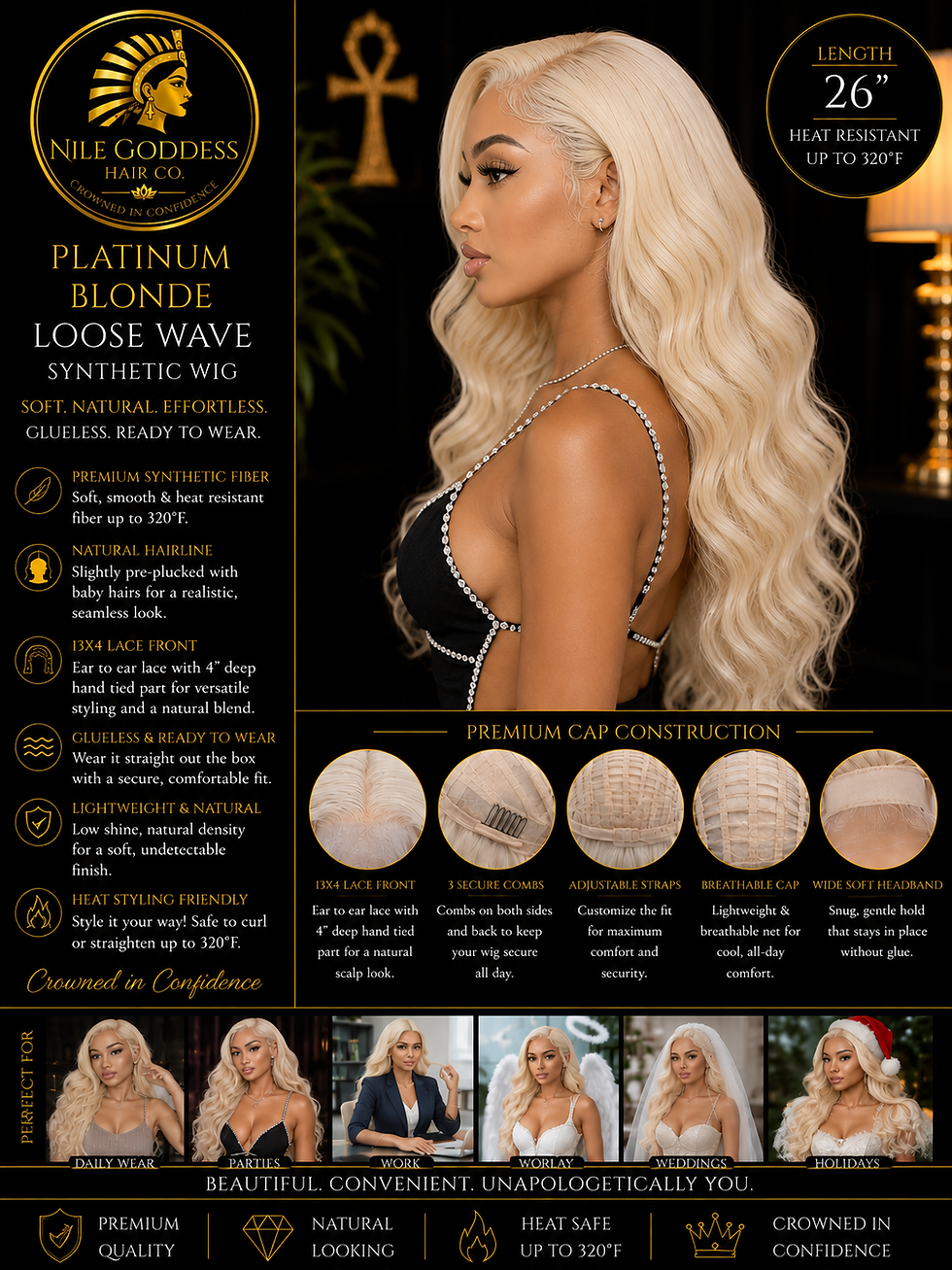
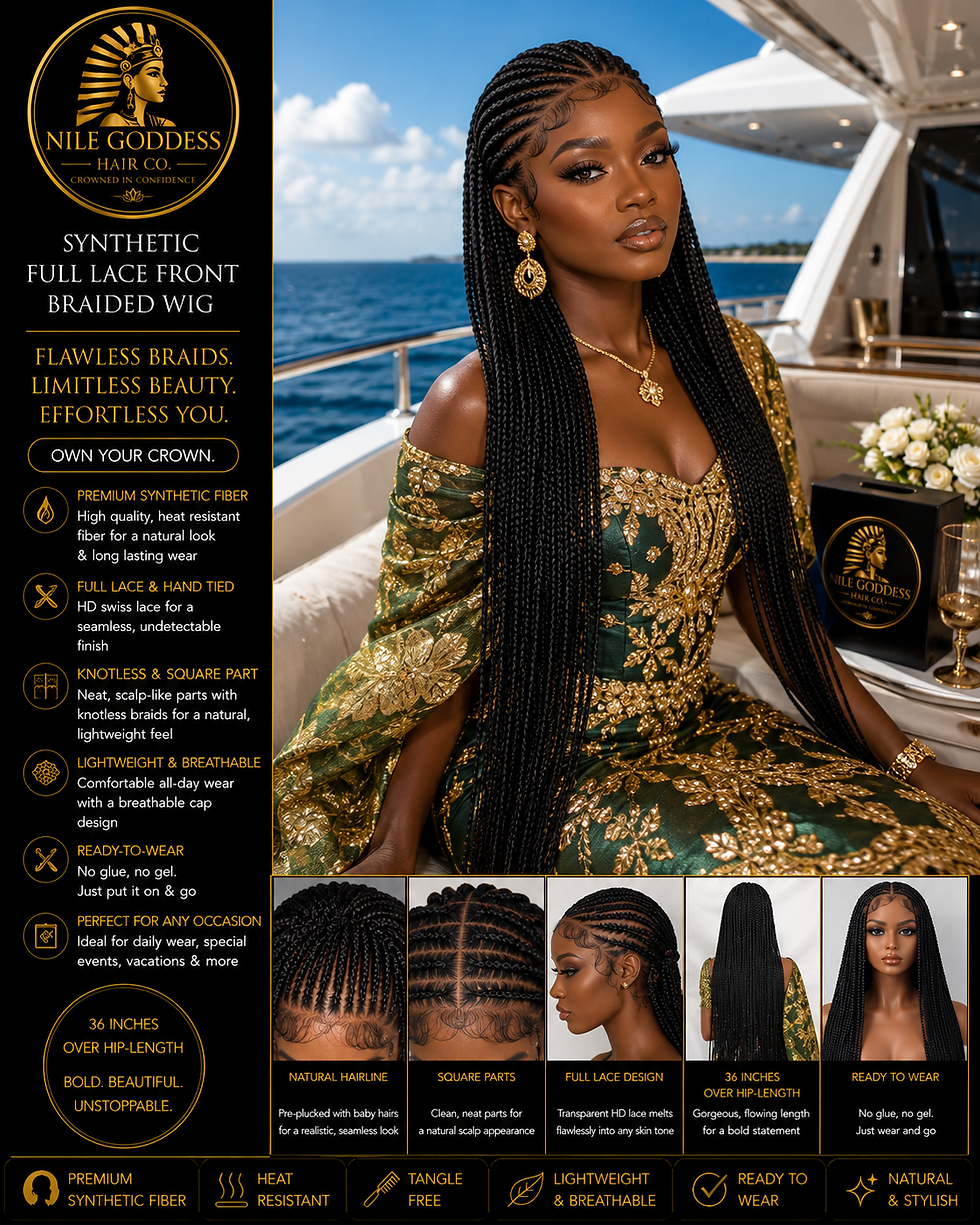
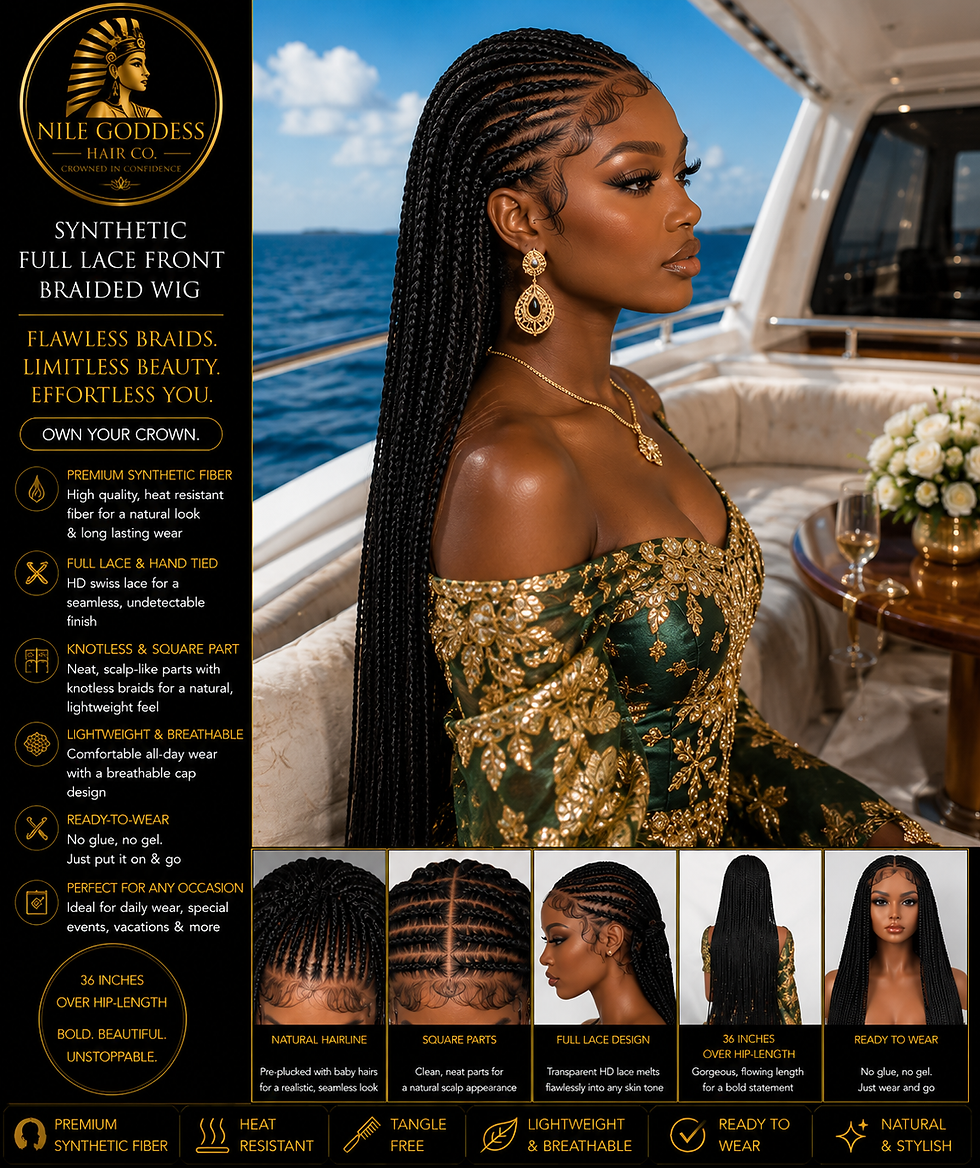
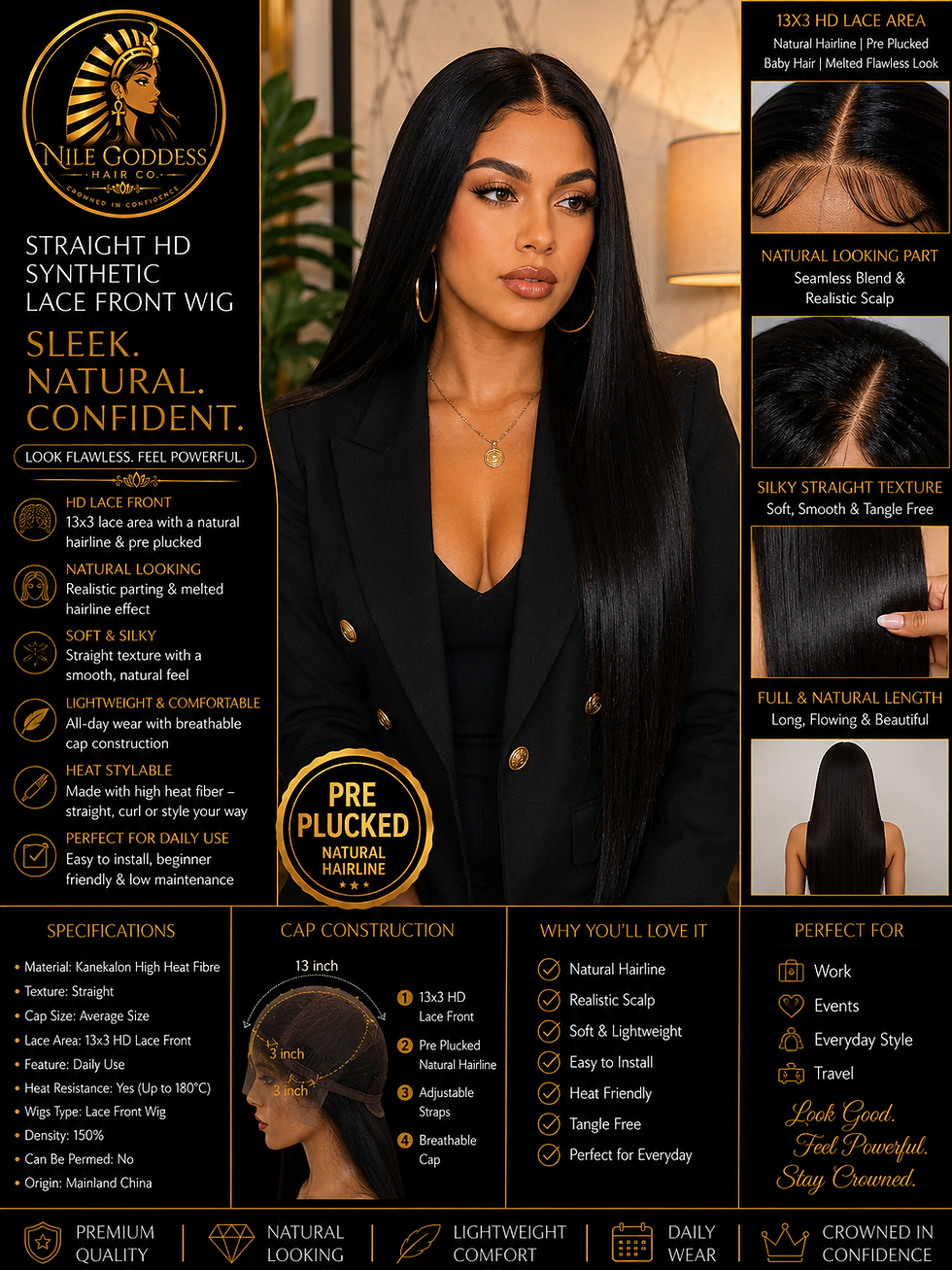
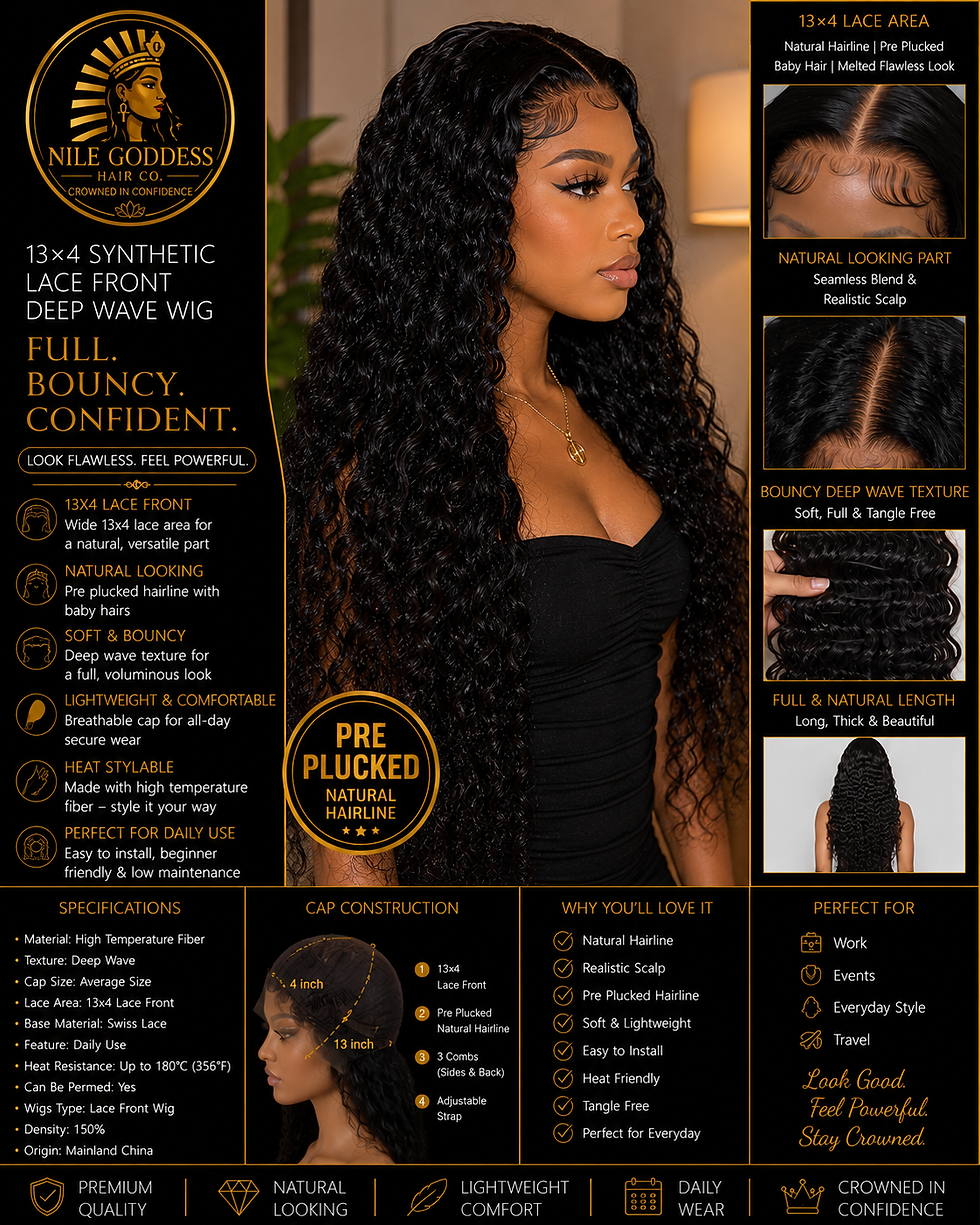
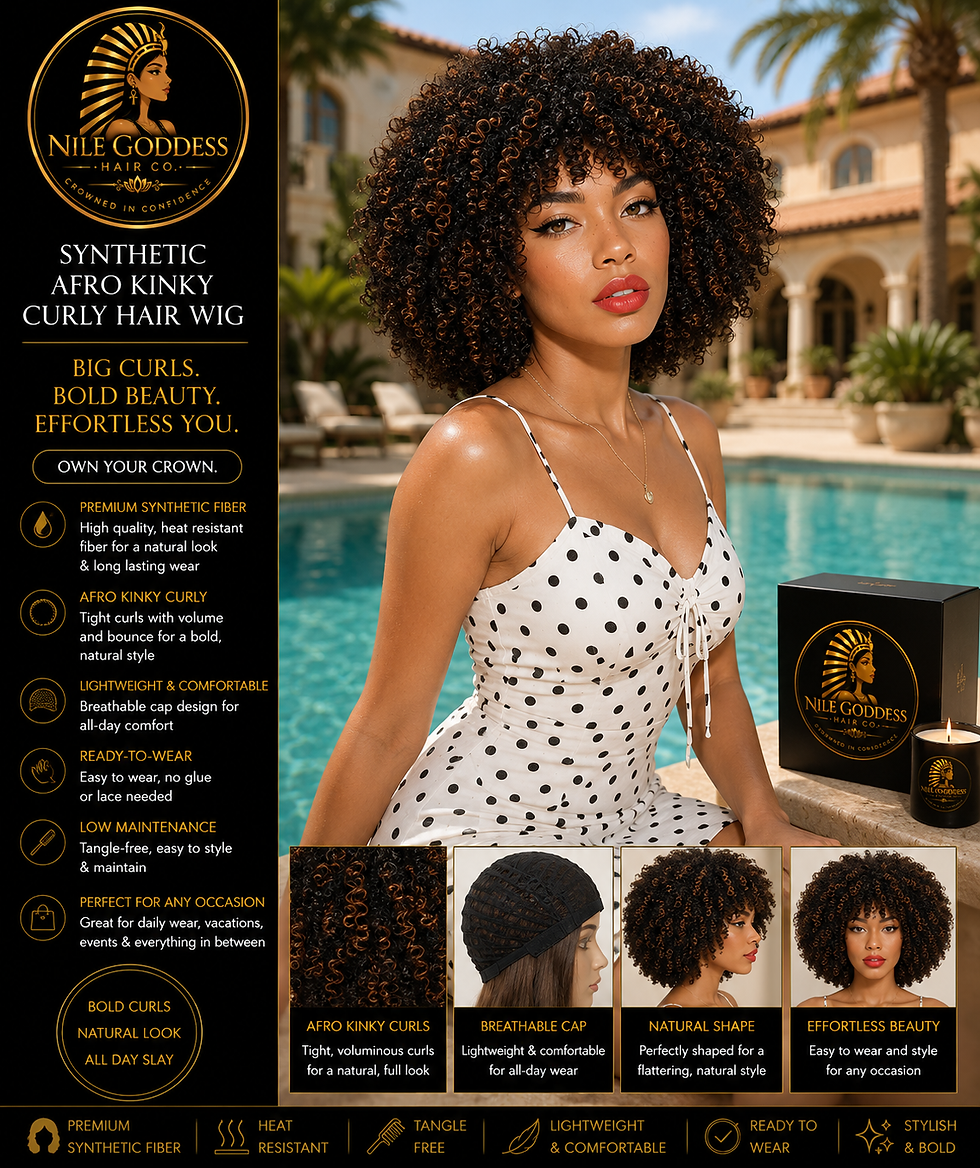
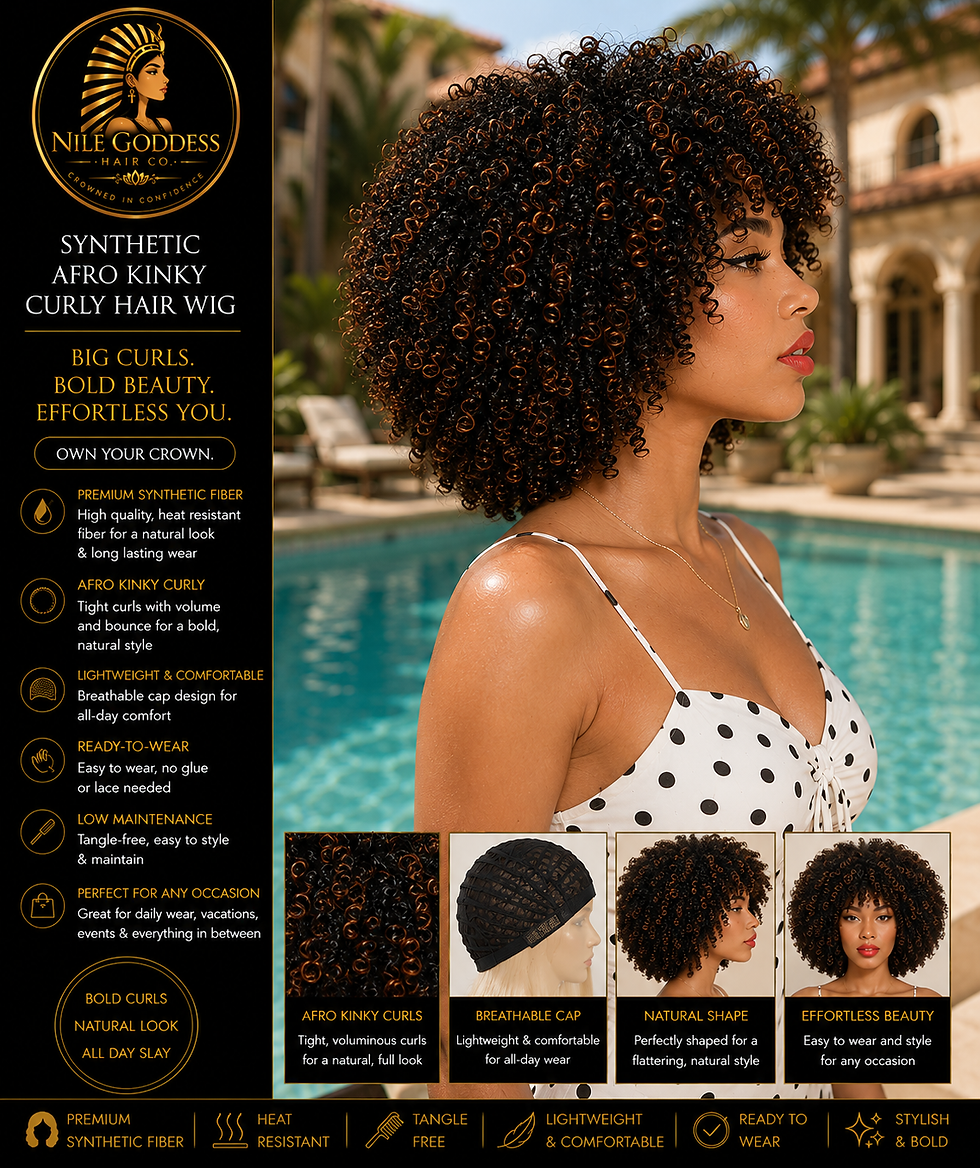
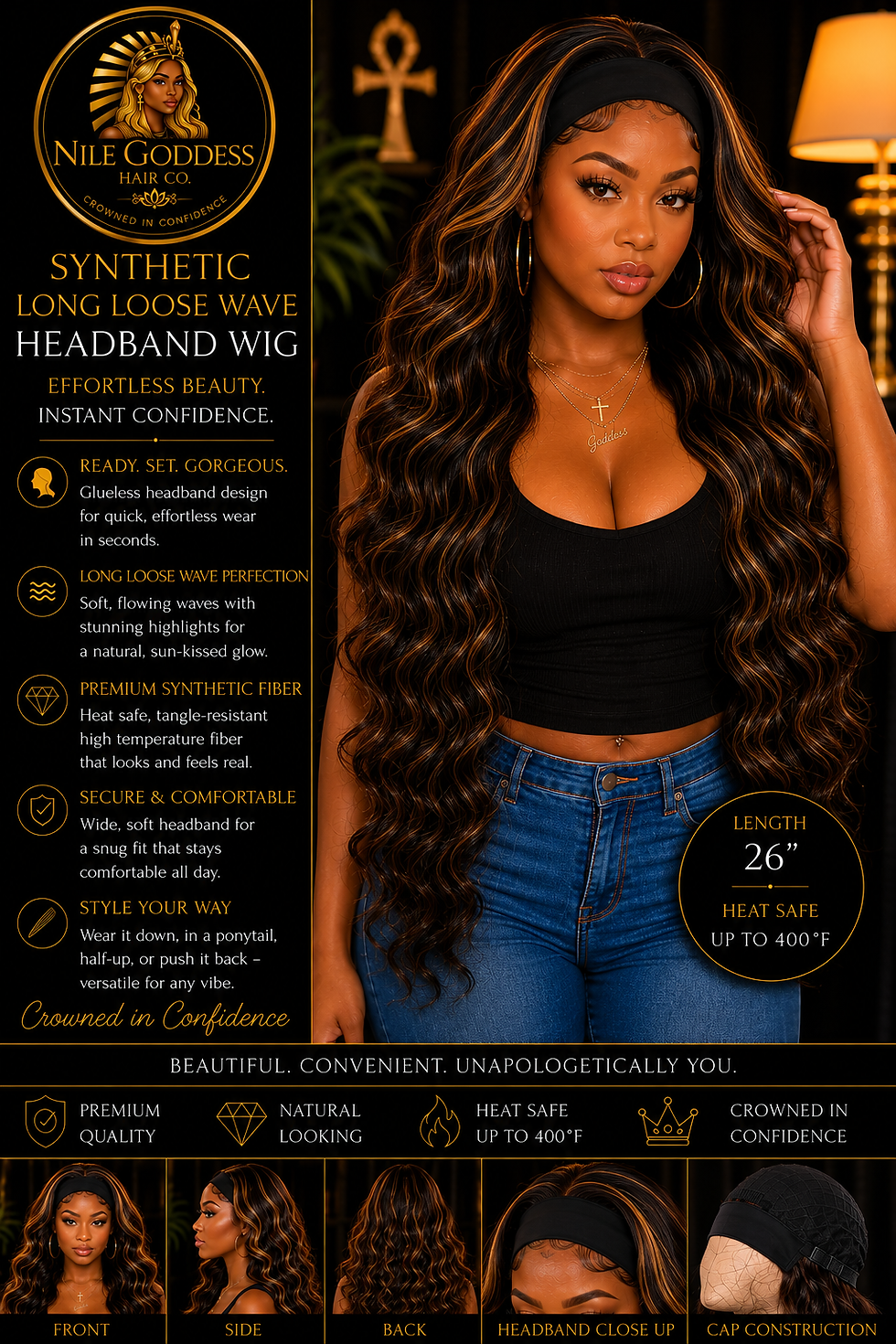
Synthetic hair refers to hair extensions, wigs, and other hairpieces made from man-made fibers rather than natural human hair. It is popular in the beauty and fashion industries for various reasons, including affordability, versatility, and ease of maintenance.
Types of Synthetic Hair
Kanekalon: A popular type of synthetic fiber known for its soft texture and natural appearance.
Toyokalon: Similar to Kanekalon but generally softer and more lightweight, often used for wigs.
Polyester: A less expensive option that may not mimic natural hair as closely but is durable.
Advantages of Synthetic Hair
Cost-Effective: Generally more affordable than human hair.
Low Maintenance: Requires less styling and can hold curls and waves better than human hair.
Variety of Styles: Available in numerous colors and styles, allowing for creative expression.
Disadvantages of Synthetic Hair
Heat Sensitivity: Many synthetic fibers cannot withstand high temperatures, limiting styling options.
Less Realistic: May not look as natural as human hair, depending on the quality.
Shorter Lifespan: Typically does not last as long as human hair products.
Care Tips for Synthetic Hair
Washing: Use cold water and mild shampoo specifically designed for synthetic hair.
Styling: Avoid heat styling tools unless the synthetic hair is labeled as heat-resistant.
Storage: Store in a cool, dry place, preferably on a wig stand to maintain shape.
Conclusion
Synthetic hair offers a versatile and affordable option for those looking to change their hairstyle without a long-term commitment. Understanding its characteristics, advantages, and care requirements can help users make the most of their synthetic hair products.